- September 3, 2026
- by Almifthaah
What Materials Are Used in Mounted Points and Why Do They Matter?
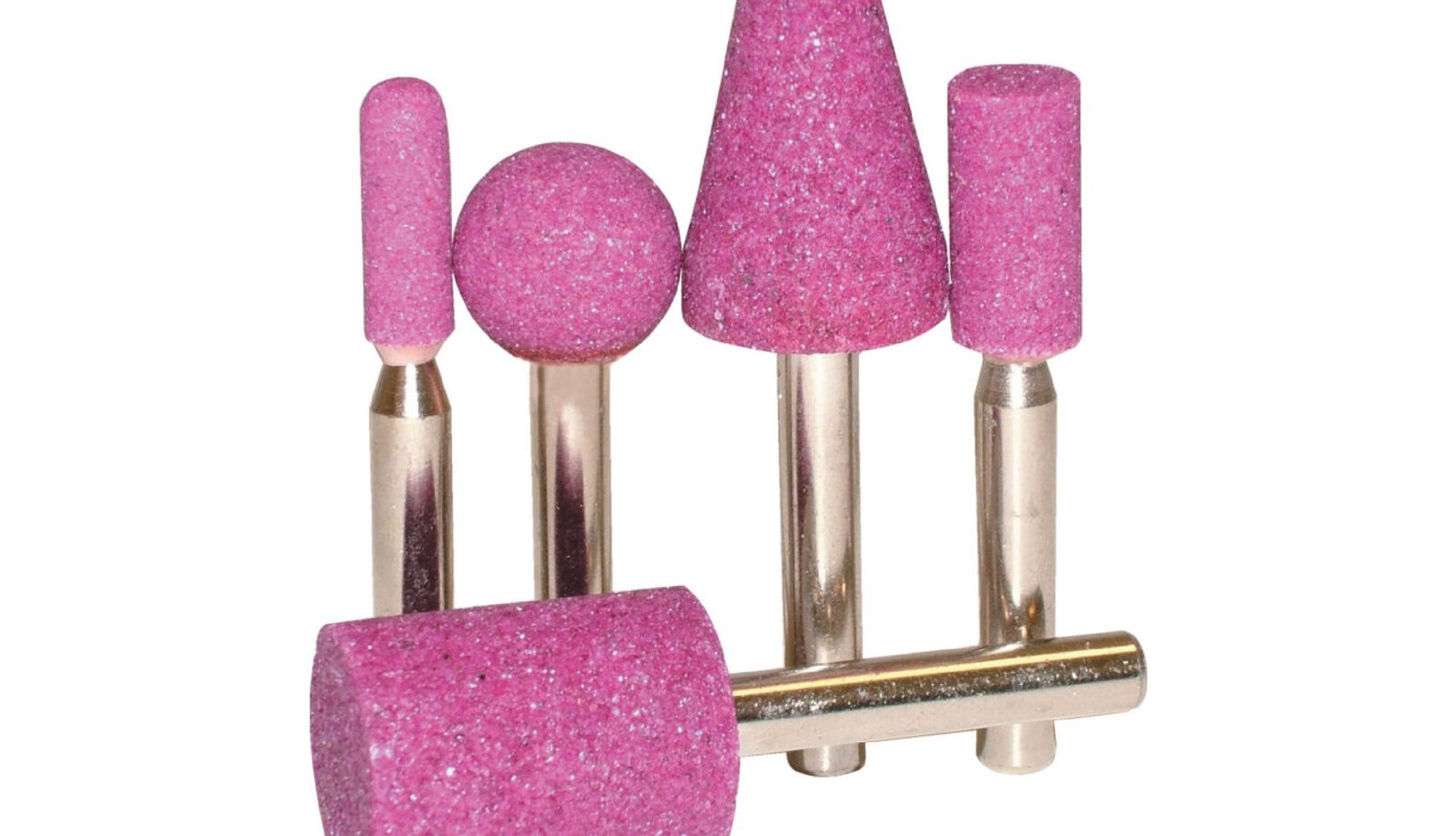
Mounted points are tiny abrasive devices that have shapes of spheres and cones, or cylinders. They are attached to metal shanks so that they can be used in die grinders and rotary equipment. Mounted points mostly consist of two components: abrasive grain and bonding material. The common abrasive grains used in mounted points include aluminum oxide, silicon carbide, ceramic, diamond, and cubic boron nitride. The bonding medium can be vitrified bonding, resin bonding, rubber, or metal.
Selection of the type of abrasive grain determines which materials can be used by the tool. Bonding determines the durability and temperature resistance of the tool. Incorrect combinations may lead to damage and losses. The mounted points industry is expected to achieve significant growth by 2035 and be equal to AED 17.77 billion. In Dubai, choosing a reputable supplier of abrasive tools in Dubai will allow businesses to receive quality products instead of buying cheap and untested imports.
Table of Contents
ToggleKey takeaways
- The function of mounted points is based on the bond and abrasive grains used.
- Popularity of bonded abrasives contributed to over 43% of the worldwide abrasive revenue for 2025.
- Achieving the right combination of shank, grit, and bond minimizes breaking, reworking, and safety hazards.
- A well-known abrasive tool supplier in Dubai saves hours on evaluating unknown, unfamiliar equipment.
What are mounted points made of?
Every friction point consists of two components working together.
The cutting is done by the abrasive grain. The abrasive grain is made of hard, gritty material shaped like a cone, ball, cylinder, or bullet point, and it is attached to a steel shaft that rotates freely at very high RPMs in a die grinder or flexible shaft tool.
The bonding material keeps the grains in place. Different types of bonds in the tool allow it to free different amounts of worn grain, exposing fresh cutting edges while it is still being used. Bonds that are too strong will glaze over instead of cutting, while bonds that are too weak will wear out prematurely.
Professional abrasive tools dealers in Dubai usually offer a wide selection of grain and bond types, since no single mounted point can be used effectively with every type of metal, from soft aluminum to hardened tool steel. Buying only by design without checking grain and bond specifications is the main reason why mounted points do not perform well in real work conditions.
Abrasive grain types explained
- Aluminum Oxide
The classic grain is used mainly for grinding purposes. It’s strong enough to retain severity with ease and works well with metals like carbon steel and mild steel. It’s not ideal for use with stainless steel and hardened alloys due to its rapid wear in comparison with the specially made grains.
- Silicon Carbide
While sharper and harder than aluminum oxide, it is new that it has more fragility and cuts practically on non-ferrous metals, cast iron, and non-metal materials including stone, glass, etc. Being chip-free, it is kept sharp on fragile materials; however, it is easy to chip through hard metals.
- Ceramic Aluminum Oxide
An enhanced form of aluminum oxide developed for self-sharpening as it wears away. It can withstand high temperatures and make substantial cuts, making it popular in industrial applications such as aerospace. Though it is more expensive, the longevity of the tool can justify the costs when used in high-volume applications.
- Diamond and CBN (Cubic Boron Nitride)
Utilized only on the hardest materials like carbide and stubborn steels and ceramics that would destroy regular abrasives in just a matter of time. Diamond-mounted points are the standard abrasive tools Dubai clients use in precision machining and mold-making when nothing else can withstand the material.
Bonding materials that hold it all together
- Vitrified bond: glass-like, rigid, and precise. Holds its shape well under load and is common for tighter tolerance grinding, but it’s more prone to chipping if dropped or misused.
- Resin bond: more flexible and shock-resistant than vitrified. Handles heavier pressure and is common on general fabrication floors where tools take rougher handling.
- Rubber bond: softer, used for polishing and finishing passes rather than heavy stock removal. Produces a smoother surface finish with less aggressive cutting.
- Metal bond: the toughest option, typically paired with diamond or CBN grain, built to survive extended runtime on extremely hard materials.
Facilities sourcing from established industrial equipment dealers in Dubai usually have access to all four bond types. That matters because switching bond type based on the job, rather than sticking with one default, is often the difference between a tool lasting a shift or lasting a week.
Material comparison table
| Material Type | Grain Hardness | Best For | Heat Resistance | Typical Cost |
| Aluminum Oxide | Medium | Carbon steel, mild steel | Moderate | Low |
| Silicon Carbide | Medium-High | Cast iron, non-ferrous, stone | Low-Moderate | Low-Medium |
| Ceramic Aluminum Oxide | High | Stainless, high-volume grinding | High | Medium-High |
| Diamond / CBN | Very High | Carbide, hardened steel, ceramics | Very High | High |
Why does material choice affect performance and safety?
Getting the material wrong is a safety issue, not just an efficient one. A mounted point running too hot from the wrong grain-bond combination can discolor a workpiece, warp thin metal, or shatter under load if the bond can’t handle the RPM and pressure being applied.
The UAE’s abrasive market was estimated at AED 1.95 billion in 2025, driven in large part by construction and metal fabrication growth. In those industries, tool failure mid-job stops production lines and puts operators at risk from fragment ejection.
This is where working with reliable hardware tools suppliers in Dubai actually pays off. A supplier who understands application, not just SKU numbers, will ask what material you’re grinding before recommending a product, rather than selling whatever’s in stock.
How to choose the right mounted point for your job?
Start with the base material you’re working on, not the shape of the mounted point. Shape affects access and reach into tight spots. Material match affects whether the tool actually cuts efficiently.
Consider these factors in order:
- Workpiece hardness – soft metals need less aggressive grain; hardened alloys need diamond or CBN.
- Heat sensitivity – thin-walled parts or heat-treated components need a bond that won’t build excess friction.
- Finish requirement – rough shaping calls for a harder bond; polishing calls for rubber-bonded, finer grit.
- Runtime expectations – production runs favor ceramic or metal-bonded tools that last through longer cycles without replacement.
Therefore, shops that consistently order from a Saif Precision tools supplier in UAE tend to skip a lot of this trial-and-error, because the supplier already stocks grain-bond combinations matched to common regional applications, from HVAC ductwork fabrication to structural steel finishing.
Common mistakes buyers make
- Choosing by grit size alone and ignoring grain type entirely.
- Using a vitrified bond tool on a job that needs shock resistance, then blaming the brand when it chips.
- Buying the cheapest bulk pack without checking whether the grain suits the actual metal being worked.
- Running a mounted point well past its usable life instead of replacing it, which increases vibration and reduces finish quality.
- Assuming one supplier’s “universal” mounted point performs the same across stainless, aluminum, and hardened steel. It doesn’t.
Expert insights
The Middle East and Africa abrasive tools market is growing at roughly a 4.5% CAGR, with UAE and Saudi infrastructure development as a major driver. As more fabrication and metalworking shops take on finishing work in-house rather than outsourcing it, mounted point selection comes up more often on the shop floor, not just at the supplier’s counter. The shops that get the most out of their tooling budget aren’t the ones buying premium grain across the board. They’re matching grain and bond to the actual job, using aluminum oxide where it’s sufficient and reserving diamond-bonded tools for the materials that genuinely need them.
Moreover, ask your supplier for the technical spec sheet before ordering, not just the product photo. A five-minute conversation with a knowledgeable abrasive tools supplier Dubai teams already work with usually prevents a wasted order.
Bottom line
Mounted points may appear to be simple consumption items, but selecting the wrong one can lead to serious issues. It may harm the component or become faulty while working.
The material that the tool can cut depends on the abrasive grain. The bond has an impact on tool life and performance under heat and pressure. After you correlate these two to your material, you can have a better idea what grit, shape, and RPM to use.
The mounted points available at Almifthaah are made of Aluminum Oxide, Silicon Carbide, Ceramic, and Diamond Bonded. With the proper tool selection, these tools can be used to support UAE fabrication, automotive, and industrial applications.
Frequently asked questions
Precision grinding, deburring and surface finishing, particularly in hard-to-reach areas, common in metal fabrication, mold making and automotive repair.
The silicon carbide is suitable for cutting non-ferrous metals, cast iron, and stone and is more prone to chipping under heavy cutting forces, while the aluminium oxide is suitable for ferrous metals, such as steel.
Generally, yes, for high-volume or stainless steel applications, because they are self-sharpening and will endure much longer with heavy stock removal and high heat.
Conventional abrasives effectively process only materials to which they are suited, such as carbide, hardened tool steel, or advanced ceramics.
Typically a mismatch of applied pressure and RPM, or using the tool beyond its safe wear limit without checking.
Yes. Rubber-bonded points will give smoother finishes for polishing; vitrified and resin-bonded points are designed for stock removal, not final finish.
Be sure to verify the size of the shank and rated RPM of the tool before correlating grain type with the material to be ground.
There are some general-purpose products, but they do not perform as well as a grain that has been specifically selected for the material, particularly hard or high-heat jobs.
Application guidance and uniformity of stock are usually better at established industrial supply companies which stock more than one grain or bond type, as opposed to single-brand companies.
Change them when their cutting efficiency is visibly and significantly reduced because of wear or when your product requires a different shape. Beyond that, there is increased vibration and risk.

How Thick Should Copper Shim Stock Be for Electrical Busbar Connections?

How to Select an Involute Gear Cutter by Module and Number of Teeth